Moving to Wilmington? Here's what new residents need to know before unpacking
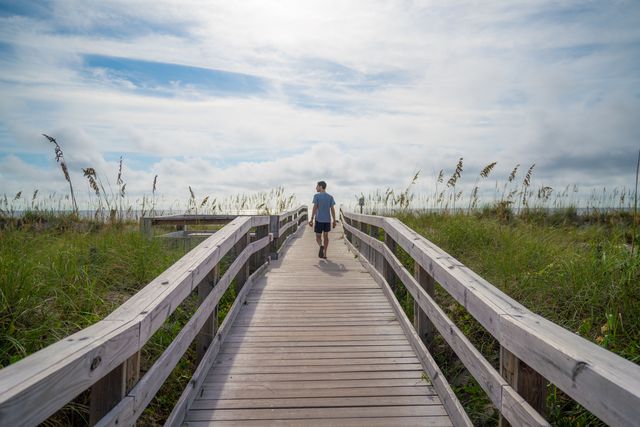
Photo Credit: Carolina Beach
July sunsets over the Cape Fear River. Weekend beach trips. Walkable historic streets and a growing food scene. It's easy to see why Wilmington continues to attract new residents from across the country.
In fact, more than 70,000 people have moved to the Wilmington metro area over the past five years, making it one of the fastest-growing regions in North Carolina.
But relocating to the coast comes with more than just choosing a home. From understanding the area's different communities to preparing for hurricane season, here's what newcomers should know before settling into life in the Cape Fear region.
Key takeaways
- Zoom out: Wilmington's metro area spans New Hanover, Brunswick and Pender counties, each offering a different lifestyle.
- Zoom in: More than 70,000 people have moved to the region in the past five years.
- The more you know: New residents have 60 days to register vehicles and obtain a North Carolina driver's license. Hurricane preparedness is an important part of coastal living.
Wilmington isn't just Wilmington
One of the biggest surprises for newcomers is that "Wilmington" often refers to an entire region rather than just the city itself.
The Cape Fear area includes:
New Hanover County - Home to Wilmington, Wrightsville Beach, Carolina Beach and Kure Beach. This is where you'll find the historic downtown district, major healthcare facilities, UNCW and many of the region's restaurants and attractions.
Brunswick County - Located across the Cape Fear River, Brunswick County is one of the fastest-growing counties in North Carolina. Communities like Leland, Brunswick Forest and St. James attract many retirees and relocating families. Population growth reached nearly 28% between 2020 and 2025.
Pender County - Known for communities like Hampstead, Surf City and Topsail Island, Pender County offers a quieter coastal lifestyle while still providing access to Wilmington amenities. Population growth approached 20% between 2020 and 2025.
Get to know the different areas
Historic Downtown Wilmington
If you enjoy walkability, local restaurants, waterfront views and historic architecture, downtown Wilmington may be your speed. The nearly two-mile Riverwalk serves as the heart of the district and connects shops, restaurants and entertainment venues.
Midtown Wilmington
Midtown offers convenient access to shopping, healthcare and major roadways. Areas around Independence Mall and The Pointe at Barclay continue to be popular among newcomers.
Leland and Northern Brunswick County
For buyers seeking newer homes and larger lots, Leland and surrounding communities often provide more space while remaining close to Wilmington.
Hampstead and Pender County
North of Wilmington, Hampstead combines strong schools, outdoor recreation and proximity to Topsail Island beaches, making it popular among families and retirees alike.
Pick the beach that fits your lifestyle
One of the biggest perks of living here is having multiple beach towns within easy driving distance.
- Wrightsville Beach - Known for watersports, boating, upscale dining and an active atmosphere.
- Carolina Beach - Offers a nostalgic boardwalk, summer events, restaurants and family-friendly attractions.
- Kure Beach - Quieter and more relaxed, with a historic fishing pier, Fort Fisher and nature-focused attractions.
- Topsail Beach - Located about an hour north of Wilmington, Topsail offers a slower pace and less crowded beaches.
Setting up utilities
Depending on where you move, your providers may vary.
Common services include:
- Duke Energy (electricity)
- Cape Fear Public Utility Authority (water and sewer in much of New Hanover County)
- Brunswick County Public Utilities
- Pender Water & Sewer
- Piedmont Natural Gas
Checking utility providers before closing on a home can help avoid surprises during your move.
Coastal living means hurricane season
For many newcomers, hurricane preparedness is one of the biggest adjustments.
Hurricane season runs from June through November, and residents are encouraged to:
- Review homeowners and flood insurance coverage
- Build emergency supply kits
- Keep important documents accessible
- Understand evacuation zones
- Monitor local weather updates during tropical events
Local officials recommend preparing before a storm enters the forecast rather than waiting until stores become crowded.
How to meet people after moving
One of the most common questions new residents ask is how to build community.
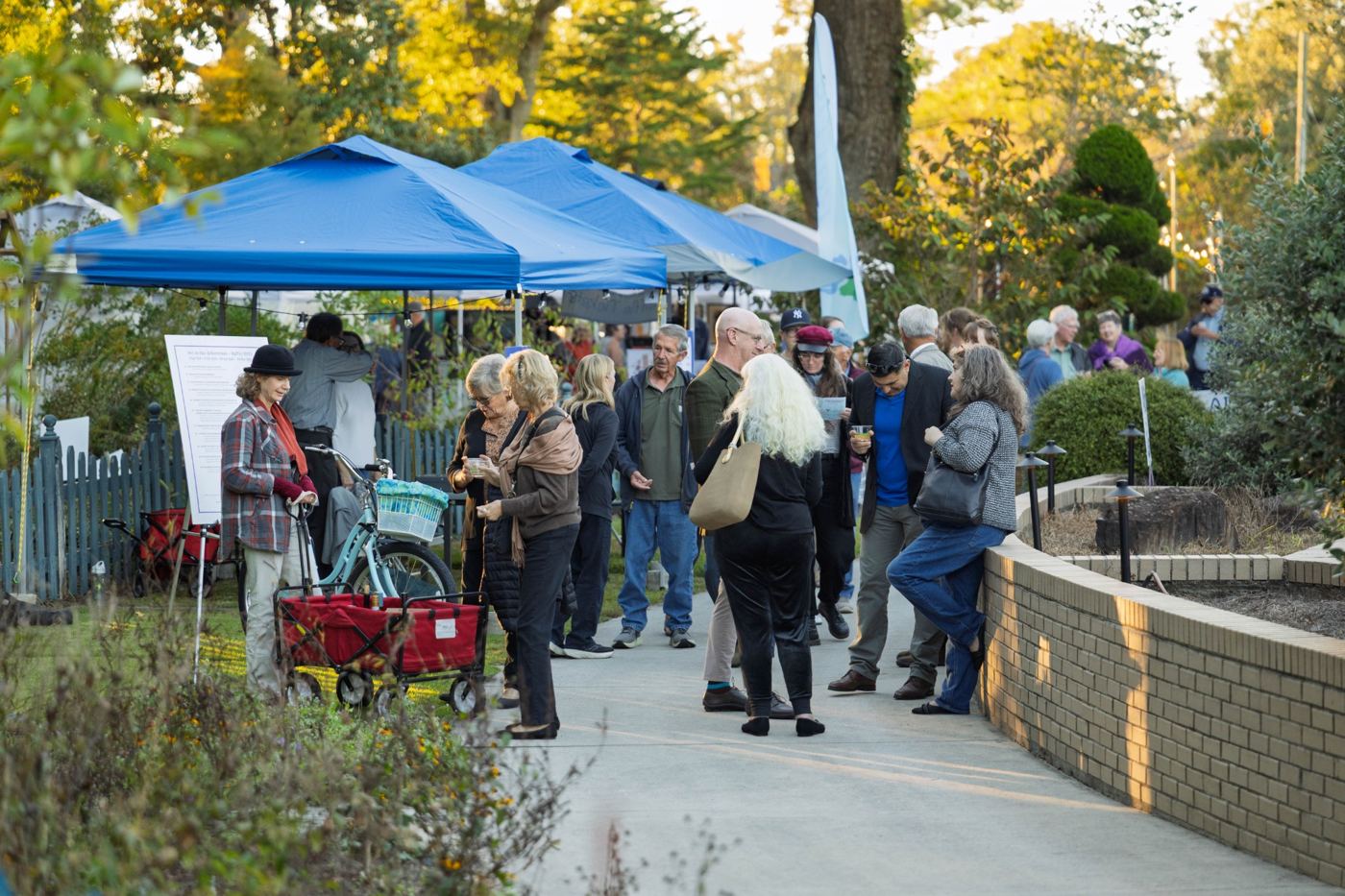
Local realtor Sherri Ingle recommends getting involved in organizations and events that match your interests. Community festivals, volunteer groups, clubs and local organizations provide opportunities to connect with neighbors and learn more about the area.
Many newcomers find their social circles through Wilmington's active lifestyle scene. Popular options include Cape Fear Pickleball Club, Wilmington's numerous golf communities, local running clubs such as Wilmington Roadrunners Club, and adult sports leagues offered through area recreation programs.
Community organizations such as Cape Fear Habitat for Humanity offer newcomers a meaningful way to meet people, give back and become part of the Wilmington community. The annual North Carolina Azalea Festival is often one of the first events newcomers attend to get a feel for Wilmington's culture and community spirit.