Wilmington Walk to End Alzheimer’s raises awareness, support for local families

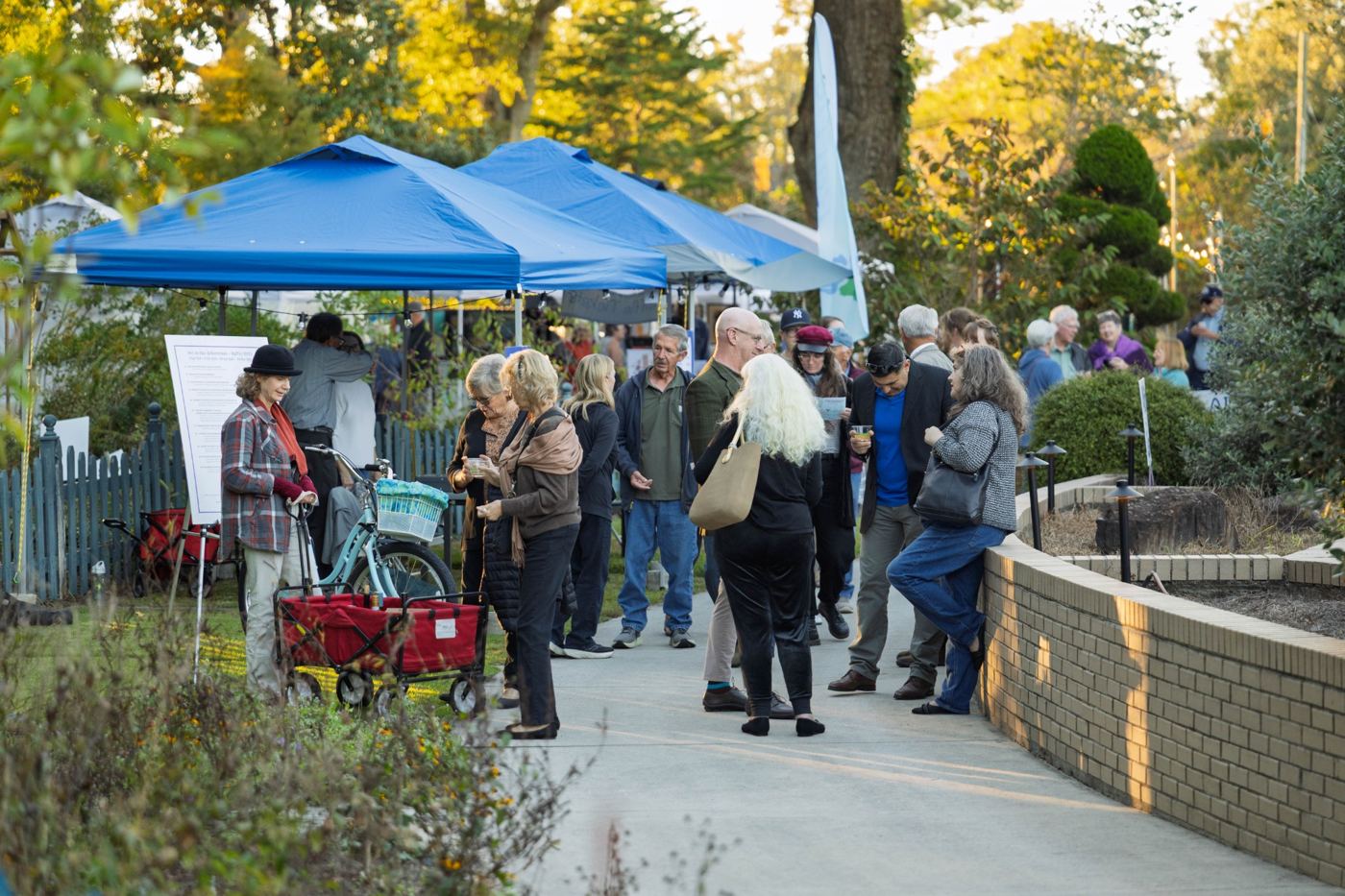
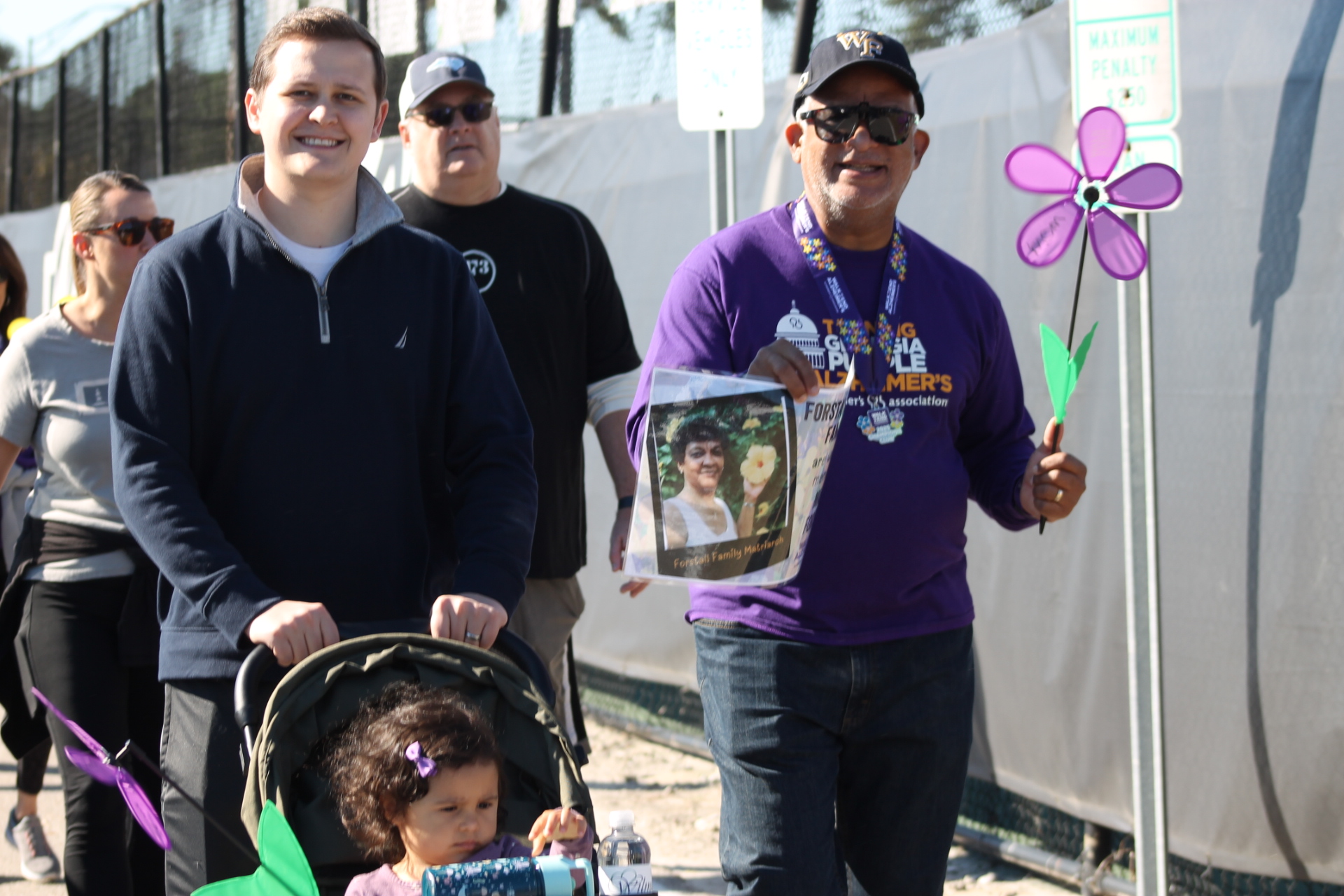
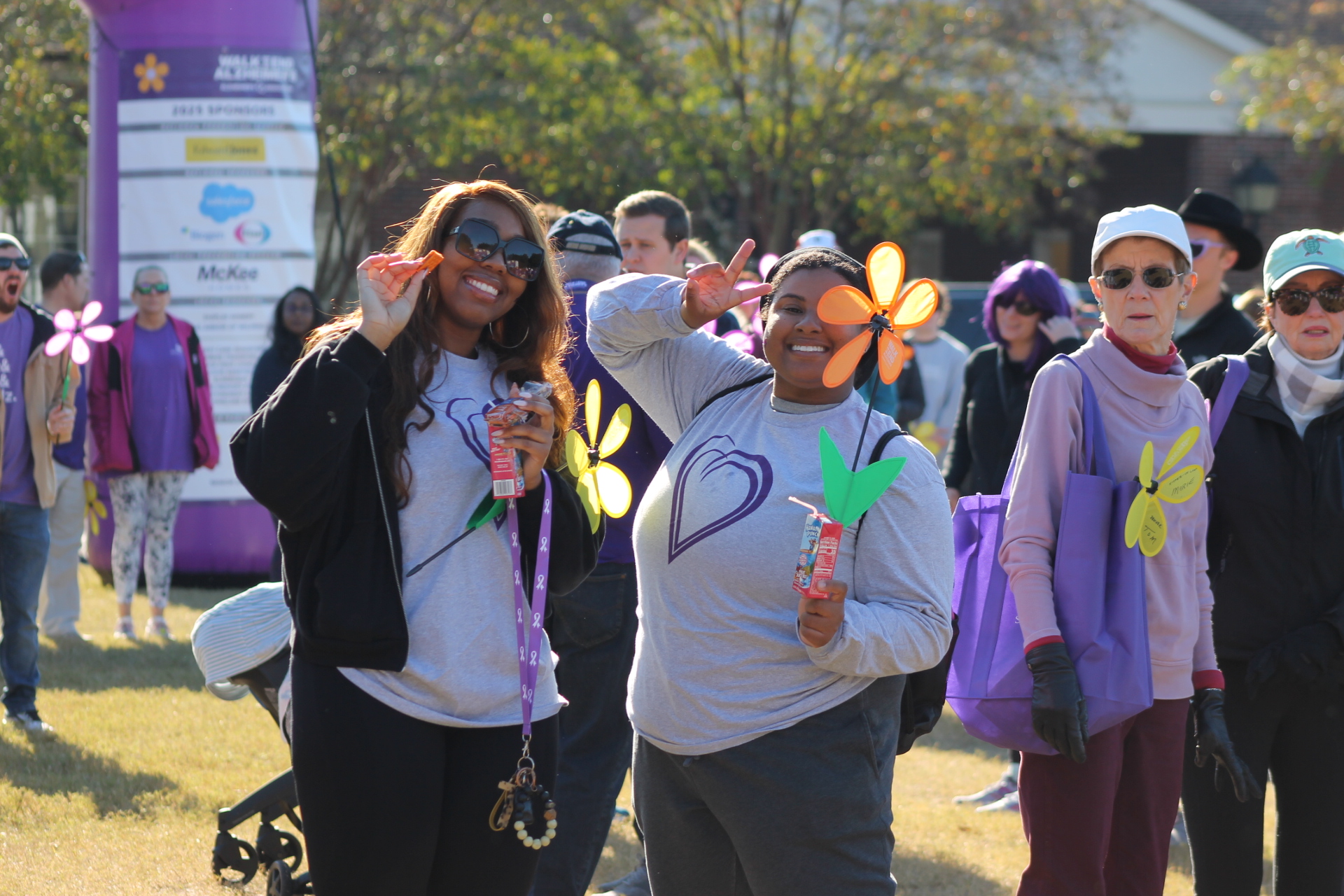
Previous participants in Walk to End Alzheimer's-Wilmington. (Photos courtesy of Alzheimer's Association)
For Christine John-Fuller, the upcoming Oct. 31 Walk to End Alzheimer's in Wilmington is more than just a walk around the track. It’s about unity, support, and showing families who are dealing with the disease that the community has their back.
“The walk is the largest gathering we do within a community for people to realize they are not alone,” said John-Fuller, who is the executive director of the Eastern North Carolina Chapter of the Alzheimer’s Association. “It really shows there is a community and that there are resources here to help them.”
Key takeaways
- The details: More than 1,000 people are expected for the Walk to End Alzheimer’s–Wilmington on Saturday, Oct. 31, at UNC Wilmington’s Greene Track & Field. Registration begins at 9 a.m., followed by the Promise Garden Ceremony at 10 a.m., with the walk immediately afterward. The event is one of hundreds of Walks to End Alzheimer’s held nationwide.
- Why it matters: Alzheimer’s affects a significant number of older adults in the Cape Fear region. The walk is expected to raise about $260,000, supporting both national Alzheimer’s research and local programs.
- The more you know: The Alzheimer’s Association offers a 24/7 Helpline at 800-272-3900, staffed by care consultants who can answer questions about Alzheimer’s, caregiving, and care options. Locally, the Eastern North Carolina Chapter also provides educational programs, caregiver resources and support groups. The free My ALZ Journey mobile app provides personalized resources and connections for people affected by Alzheimer’s.
The Wilmington walk, which is one of 600 held across the country, raises funds to fight Alzheimer’s and increases awareness of the disease, John-Fuller said.
In New Hanover County, 11% of individuals 65 and over have Alzheimer’s Disease; in Pender County, 10.9%; and in Brunswick County, 8.9%.

John-Fuller anticipated that this year’s walk will raise $260,000, which will be split between the national Alzheimer’s Association and the work done locally to help those who have Alzheimer’s and their caregivers.
The national Alzheimer’s Association funds research on the disease and provides resources for those dealing with it. One such resource is its helpline, 800-272-3900, which operates 24/7, 365 days a year and is manned by master’s level care consultants, said John-Fuller.
“It really is a place people can call no matter what their question is, whether it's about the disease or about care options,” she said.
Another national resource is the Association’s free, mobile My ALZ Journey app, which offers personalized support for people with Alzheimer’s and their caregivers and provides a way to connect with others affected by the disease, John-Fuller said.
The Eastern North Carolina Chapter of the Alzheimer’s Association provides local support. One of its most important activities is educational programming, which the chapter provides in collaboration with other groups. For instance, the CareGiver Academy is an active partnership between the chapter, Coastal AARP, LifeCare Memory Partners and the Area Agency on Aging.
While some programs focus on general information on Alzheimer’s and brain health, others are geared for specific audiences. For example, one program is designed for those who are in the early stages of Alzheimer’s, said John-Fuller.
Other programs, which are geared for caregivers, help them navigate the challenges of their situation, she added. They include information about the stages of Alzheimer’s, how to have difficult conversations such as alternative care options, opportunities for respite care, and other pertinent topics.
Also, there are local support groups, run by trained facilitators, for those with the disease and caregivers.
These services are essential, especially for caregivers, because Alzheimer’s takes such a toll on their emotional and physical health, said John-Fuller.
For her, the Alzheimer’s Walk, and her work with the Alzheimer’s Association, fulfills a personal mission. When she cared for her grandmother who had Alzheimer’s, there was little help available. Now John-Fuller is determined that no one affected by Alzheimer’s faces the disease alone.
“For me, the fact that I can limit the number of people who say, ‘I just wish I had known sooner that you existed’ is an important piece of the puzzle, so families know there are ways that we can help support the journey they are on,” she said.